
Teen & Young Adult Support
Know what to do, but have trouble making it happen?

HOW WE WORK WITH YOU
We bridge the gap between knowing what to do and actually doing it. Our functional cognition approach looks at how thinking, emotions, environment, and action come together in everyday life. We help you build practical skills, follow through, and figure out what to do when things don’t go as planned.
Together, we look at what’s working and where things get stuck across the parts of life that matter to you: daily routines, school or work, relationships and social life, leisure, and feeling calm and grounded in your body and environment. In 1:1 sessions, we develop strategies that fit your strengths, priorities, and real life, then practice using them when it counts.
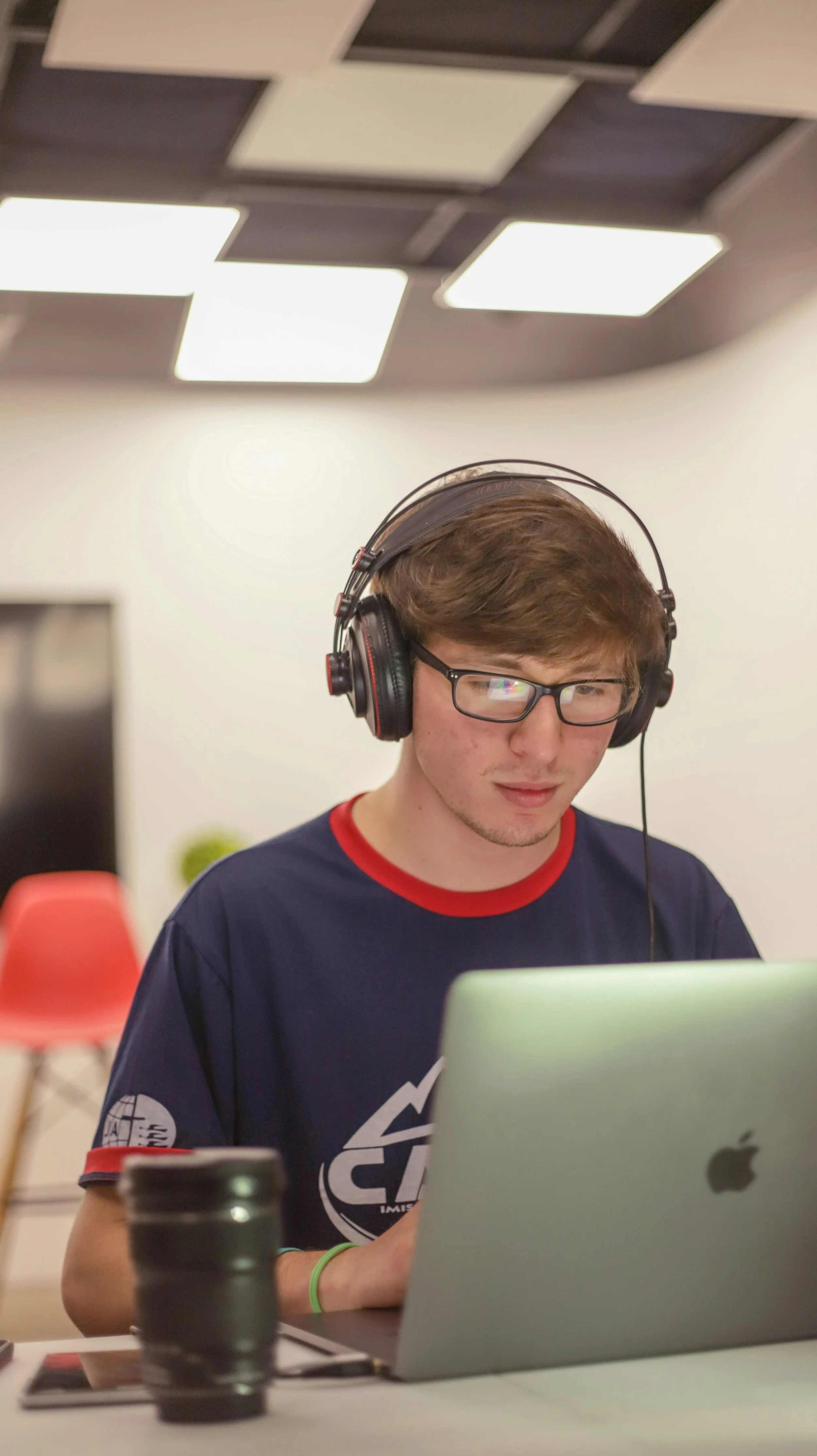
Ready to get started?
Explore our research hub.
Services
We provide individualized occupational therapy support for teens and young adults who are navigating the increasing demands of school, work, relationships, and independent living.
Executive functioning & functional cognition: Build the ability to plan, initiate, organize, manage time, problem-solve, and follow through, especially when real life doesn’t go according to plan.
Sensory regulation & self-management:
Understand sensory needs and develop strategies for feeling more regulated, grounded, and able to engage in everyday activities.*Everyday life & independence: Develop routines, social participation, self-management, and other skills needed to navigate daily life with greater confidence and independence.
Post-high school transitions: Support with college readiness, gap-year planning, entering the workforce, and other transitions into adult life.
*Budman et al (2025), Jurek et al (2025). EK A. et al (2013),
Professional Education
ADHD & executive functioning in educational settings
A 1-hour seminar for professionals working with children or adults with ADHD, focused on understanding executive functioning beyond attention and translating that understanding into practical support.